


1. Is the rule regulatory?
A decree or ministerial order may be sufficient, subject to required procedures and consultations.
delta-sierra.com
David Salvan | Books, Public Policy and Mars Colonization
The phrase “just sign a decree” is often legally wrong. A decree may organise the administration or implement legislation, but it cannot freely repeal statutory guarantees or amend the Constitution. This page provides a simple decision method.
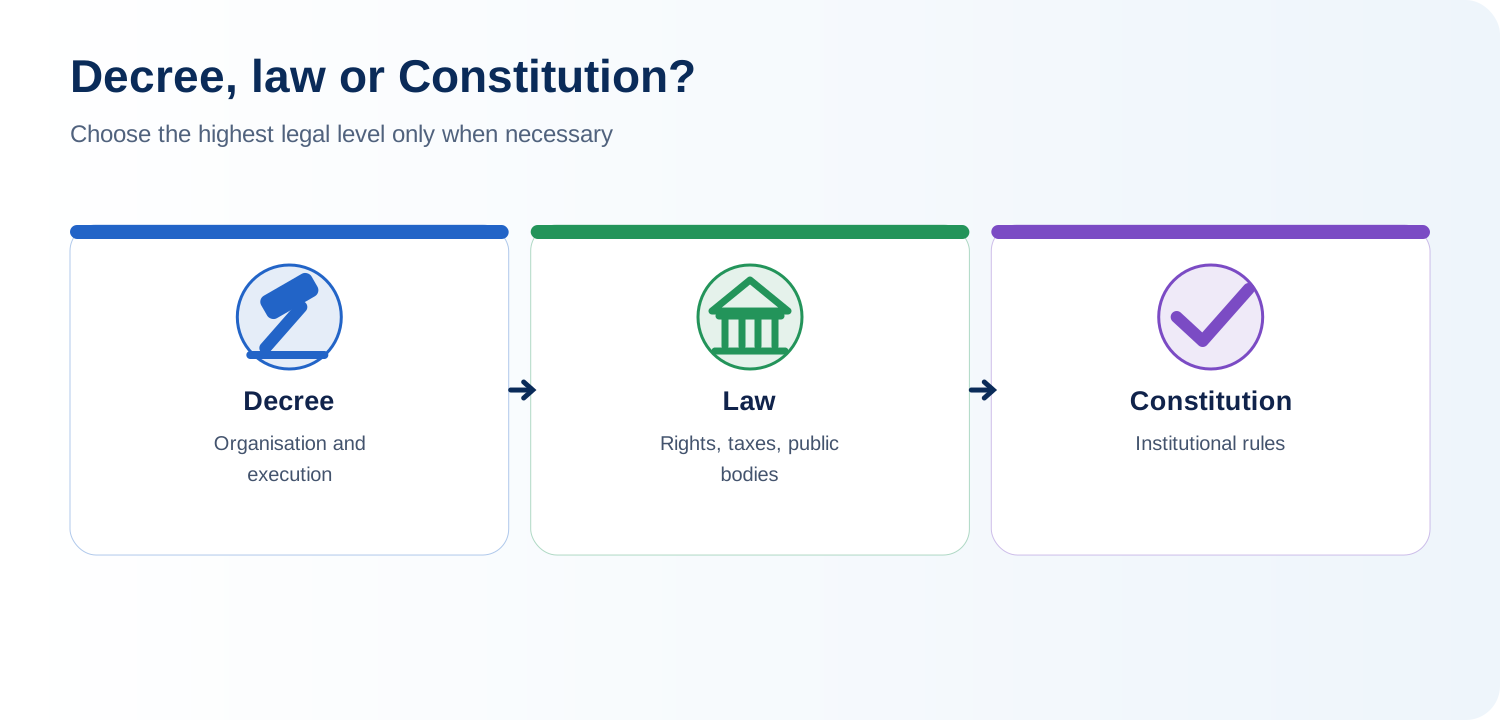
The Government cannot freely choose between a statute and a decree. The Constitution reserves certain matters to Parliament. Regulatory matters are handled by the executive, but the existing legal level must always be identified first.
A decree or ministerial order may be sufficient, subject to required procedures and consultations.
The Government must prepare a bill or request parliamentary authority to legislate by ordinance.
A reform may require a statute, implementing decrees, a financial law and transfer agreements.
| Measure | Main tool | Reason |
|---|---|---|
| 1.08 — ministerial cabinets | Decree | The current cap is set by decree. |
| 2.04 — statutory clean-up mission | Decree or order | Creating an executive mission is initially an organisational act. |
| 3.07 — ADEME | Statute then decree | Its status and missions are set in statutory provisions. |
| 1.01 — number of MPs | Constitutional amendment then organic statute | The Constitution governs Parliament’s composition. |
No. A circular provides instructions and cannot repeal a statute.
No. Parliament must first pass an enabling act, and express ratification remains required.
Because a statute or the legal category requires such prior review.