1. Published Plan: strict rule
Zero ordinary structural deficit and narrowly drafted exceptions. Clear, but the 2% crisis cap fails a simple 2009/2020 stress screen.
delta-sierra.com
David Salvan: narratives, analysis and proposals
A methodical comparison of three fiscal architectures designed to prevent chronic deficits while preserving crisis capacity.
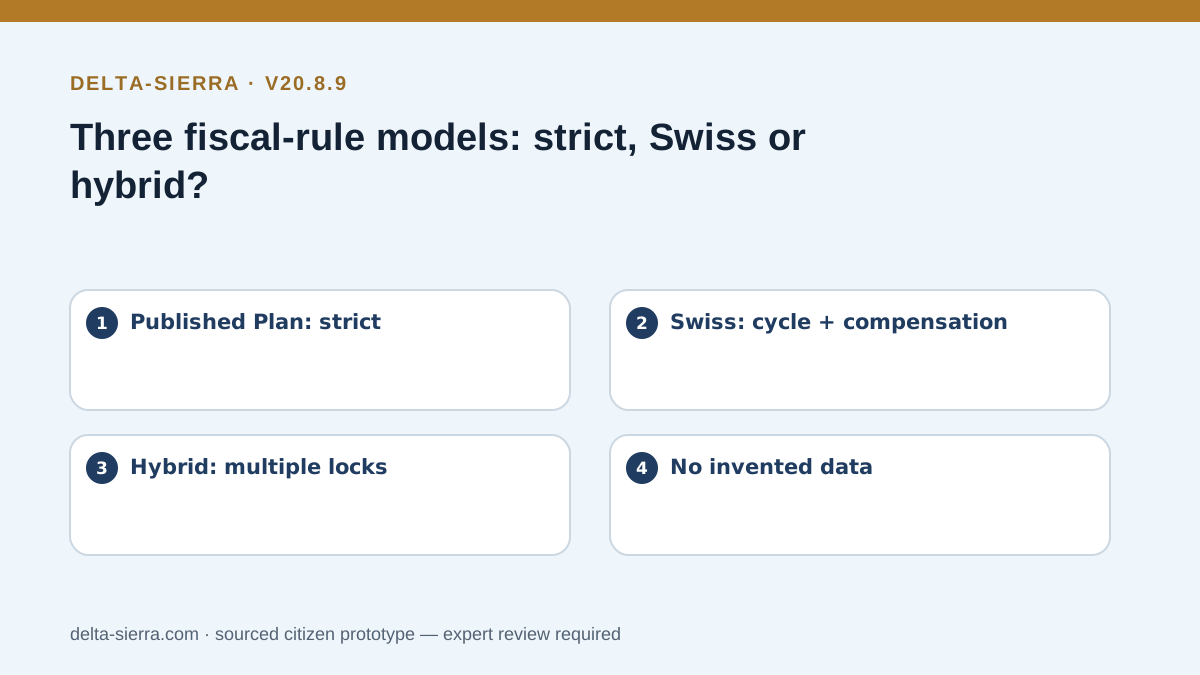
Zero ordinary structural deficit and narrowly drafted exceptions. Clear, but the 2% crisis cap fails a simple 2009/2020 stress screen.
The spending ceiling is tied to cyclically adjusted receipts. Ex-post deviations feed a compensation account, while extraordinary expenditure is tracked in an amortisation account.
Ordinary structural balance + spending path + EU compatibility + correction account + certified escape clause + future amortisation + accountability register.
A purely nominal rule can become pro-cyclical. A purely structural rule relies on revisable model estimates. The hybrid therefore cross-checks structural balance, spending, actual execution and debt dynamics.