Reforming social benefits without discouraging work
Test income limits, prevent benefit cliffs and ensure that working more always increases disposable income.
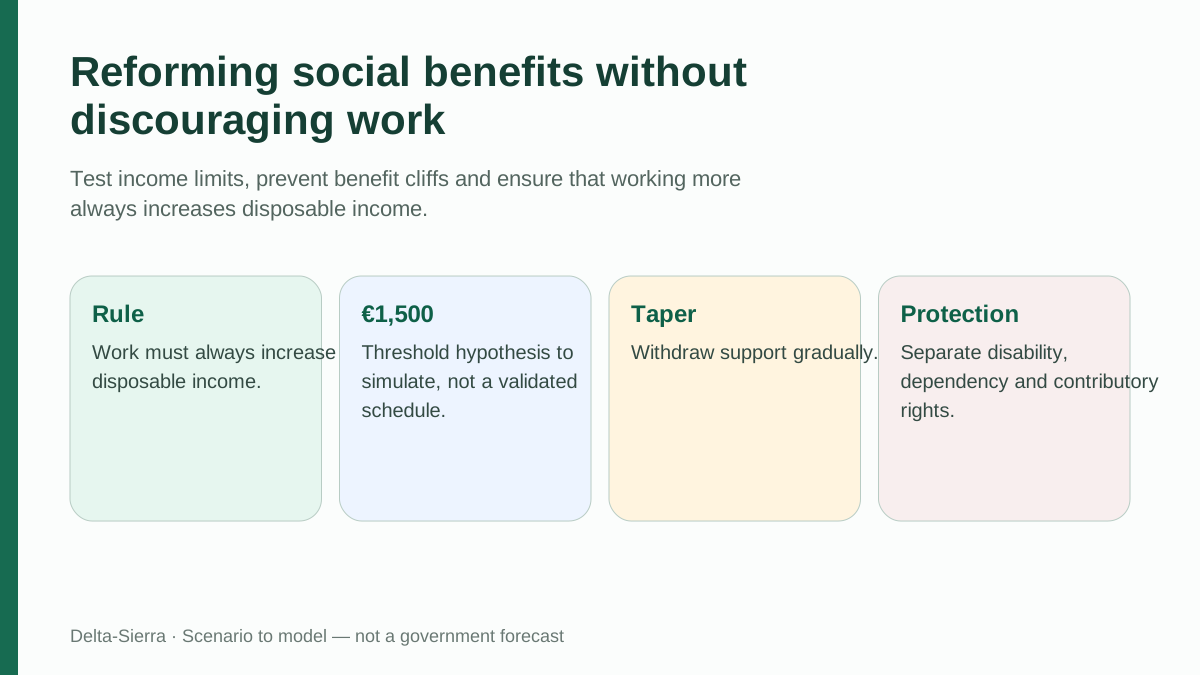
Core principle: work must always raise disposable income
The reform starts from a simple rule: for comparable households, more earned income should always increase disposable income. French official model-household data already show this in many cases, so reform must identify actual cliffs and excessive stacking rather than rely on anecdotes.
The €1,500 cut-off: two designs to test
A — hard cut-off
Non-contributory cash benefits stop immediately above a defined income.
Risk: a severe benefit cliff.B — tapered withdrawal
Benefits phase out gradually so every extra euro earned still raises disposable income.
Separate protections
Disability, dependency, child protection and contributory rights should not be placed under a single generic income cut-off without a separate policy decision.
Official sources and reference documents
consolidation audit
Category 11 financial audit — social support, transparency and anti-corruption →