


Plan de Rupture
The full public version.
delta-sierra.com
David Salvan | Books, Public Policy and Mars Colonization
A serious structural reform plan must accept contradiction. As soon as a project touches administrations, spending, agencies, staffing or the organisation of the state, objections arise. That is normal. This page does not replace the book; it responds clearly to several recurring criticisms so that readers can identify where the real disagreements lie.
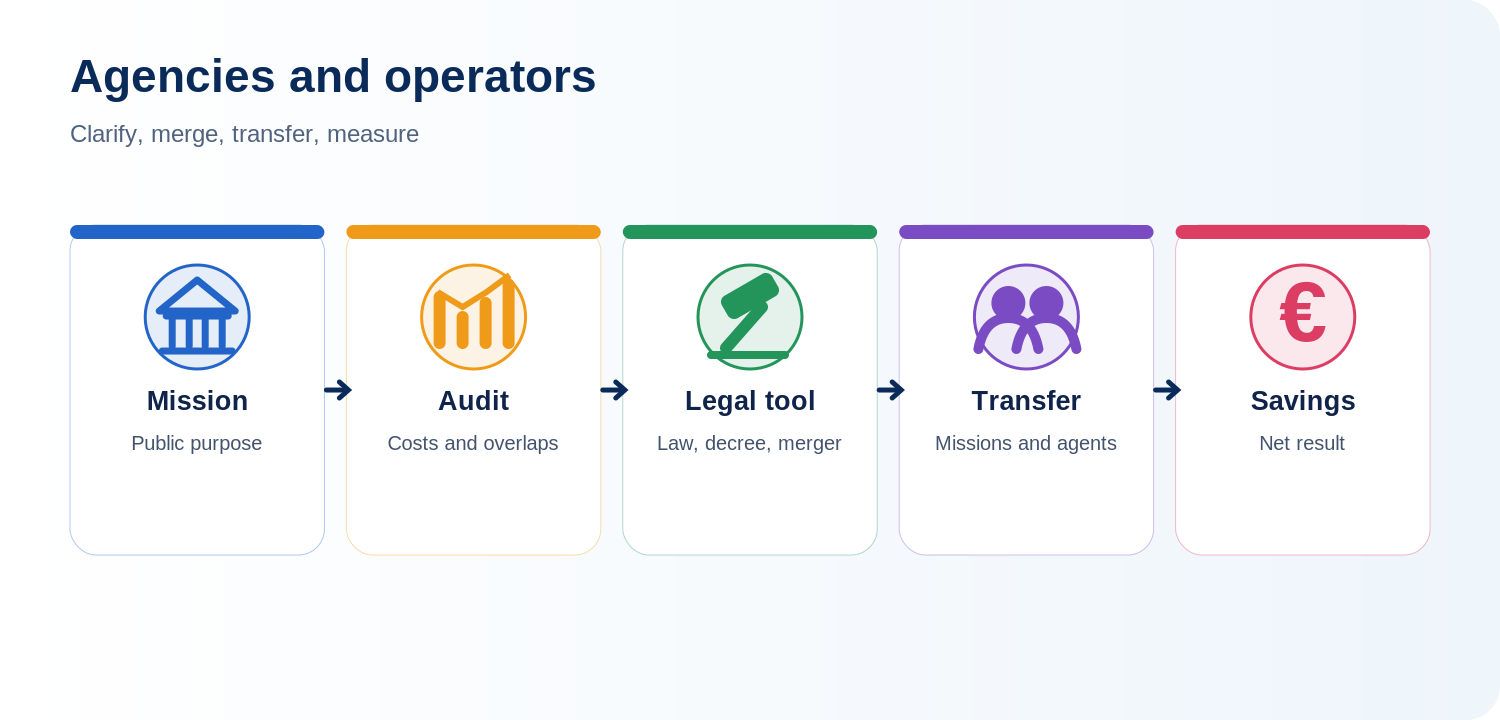
Some objections are moral (“it is unfair”), some are technical (“it cannot be done”), and some are political (“nobody will vote for it”). Serious answers must distinguish those levels.
Answer: structural reform is not the same thing as blind shock therapy. Everything depends on timing, protected missions, transition management and prioritisation.
Answer: this often confuses structure with service delivered. Reforming an organisation or removing duplication does not automatically mean suppressing the mission itself.
Answer: any estimate should be debated, sourced and contestable. But one must also avoid the opposite error of treating any major saving as impossible by definition. The right method is to distinguish gross savings, net savings and transition costs.
Answer: politically difficult, certainly. Politically impossible, not necessarily. Projects long judged impossible can become possible when context changes and arguments are well prepared.
Answer: state reform is not reducible to accounting, but it cannot ignore budget reality either. A highly indebted country with persistent deficits and growing interest pressure cannot indefinitely separate political ideal from fiscal constraint.
The book and public PDF contain the full development: proposals, mechanisms, scenarios, detailed objections and deeper answers. This page is an accessible entry point for readers who want to know whether the project rests on slogans or on an argued architecture.
It is better understood as a structural reorganisation plan than as a simple sequence of blind cuts.
Because a website should provide accessible entry points and not force the reader to begin with several hundred pages.
Often less the general diagnosis than the pace, perimeter and political cost of change.