PUBLIC FINANCE · 30% TARGET ·
Bringing employer cost and take-home pay closer: why the tax wedge is a priority after balance
Compare France’s labour tax burden and organise conditional contribution cuts without recreating deficits.
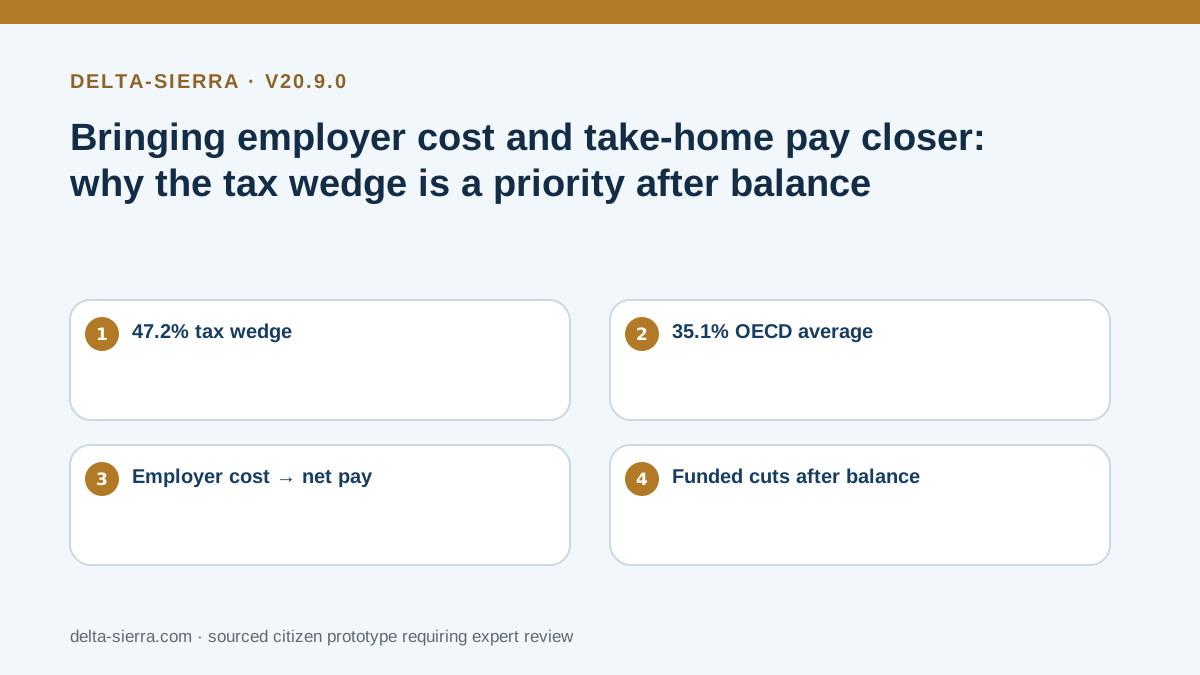
Why prioritise labour once balance is secured?
The OECD reports a 47.2% labour tax wedge for a single average-wage worker in France in 2025, versus 35.1% across the OECD. The marginal wedge for that case is 58.2% in the 2026 edition.
This does not mean copying another country. It identifies the gap between employer cost and take-home pay as a major competitiveness lever.
Proposed order: secure budget balance → reduce labour levies → measure jobs and take-home pay → activate the next step only if financing remains durable.